
Charting Inclusive Futures for Trans and GNC Communities
TEPI, alongside UNAIDS Nigeria is Advancing Health, Social and Human Rights Priorities for Transgender and Gender Diverse Persons in Nigeria
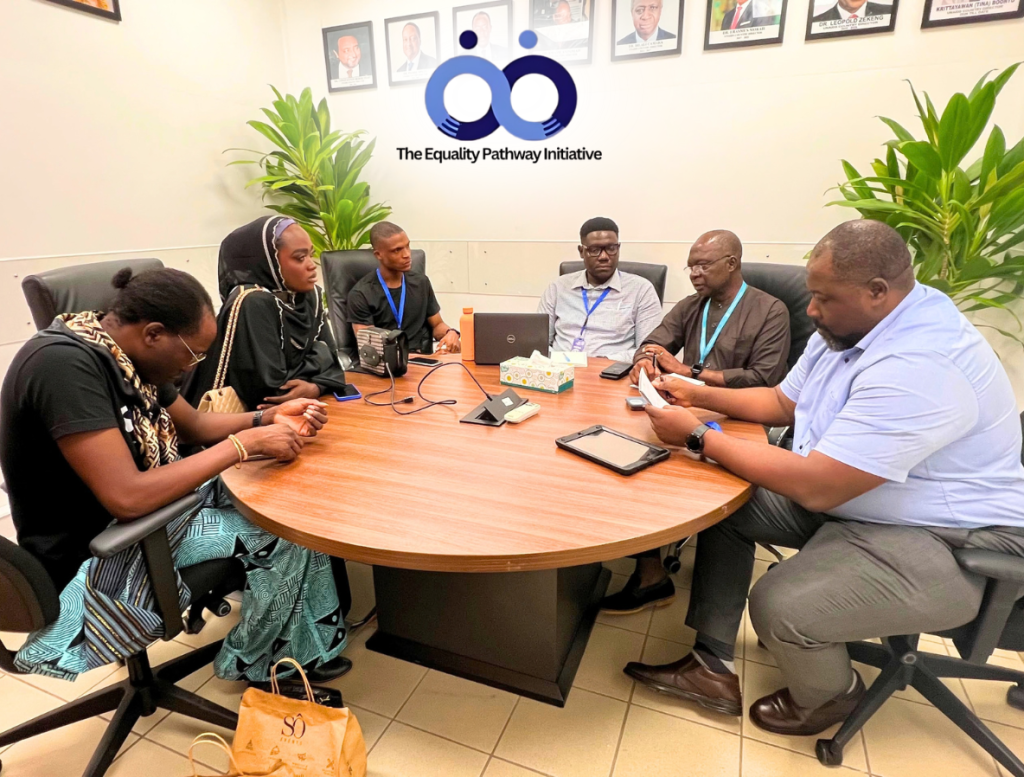
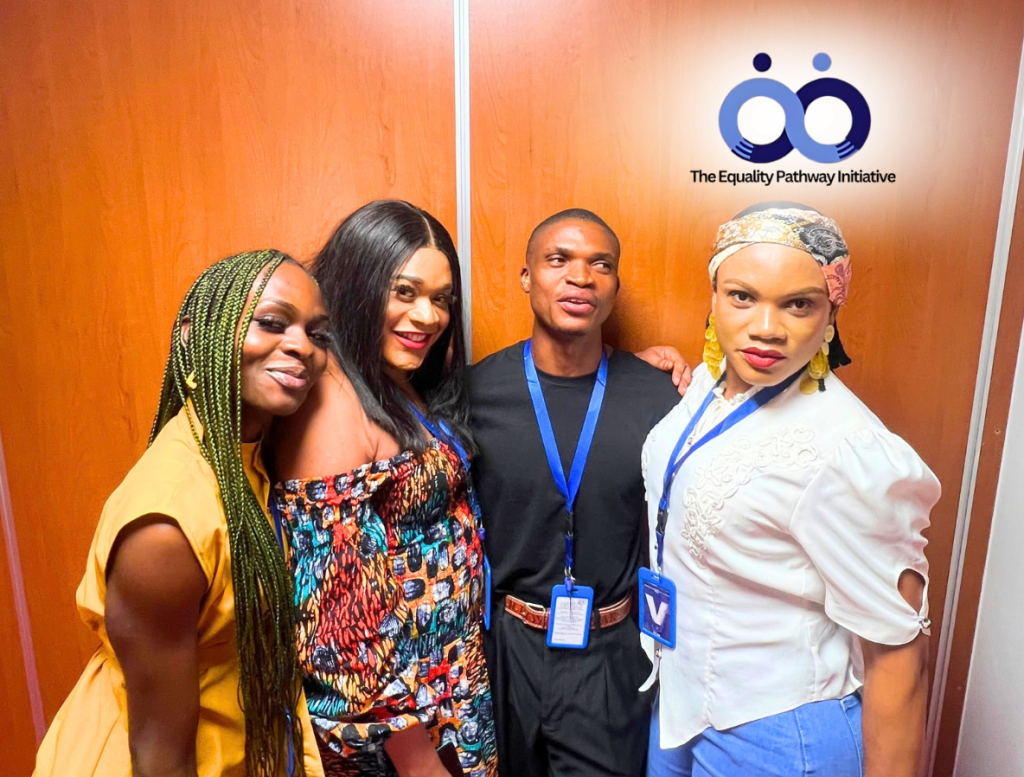
On July 8, 2026, The Equality Pathway Initiative (TEPI), in partnership with UNAIDS Nigeria, convened a high-level dissemination meeting at the UN House in Abuja to share findings from a national community dialogue on the health, social, and human rights priorities of transgender and gender-diverse (TGD) persons in Nigeria.
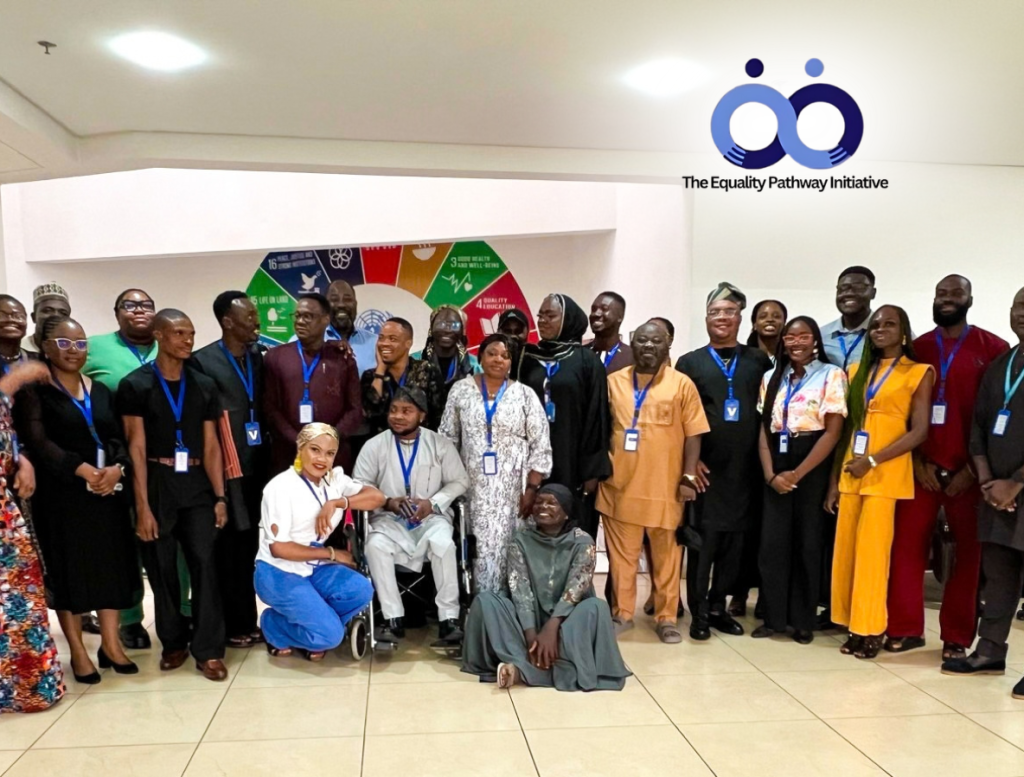
The meeting brought together representatives from government institutions, UN agencies, civil society organizations, human rights bodies, community networks, and development partners to discuss how policies, programs, and investments can better respond to the realities of TGD communities across the country.
While significant progress has been made in HIV programming, the conversations revealed that transgender and gender-diverse persons continue to face challenges that extend far beyond healthcare. Here are some of the key themes that emerged from the meeting.
Beyond HIV: Understanding the Bigger Picture
One of the strongest messages from the meeting was that the experiences of transgender and gender-diverse persons cannot be viewed solely through the lens of HIV programming. Participants highlighted the need to address broader issues such as mental health, economic inclusion, housing security, legal recognition, and access to gender-affirming healthcare.
Inclusive programming must acknowledge that health and wellbeing are interconnected with social and economic realities.
Mental Health Matters
Mental health emerged as a critical priority. Many transgender and gender-diverse persons experience chronic stress, anxiety, trauma, and social isolation due to stigma, discrimination, and safety concerns.
Stakeholders emphasized the urgent need for sustainable, trauma-informed mental health services and psychosocial support that are accessible and affirming for TGD communities.
Access to Safe and Inclusive Healthcare
Although key population-friendly healthcare services have improved access to HIV prevention and treatment, participants identified significant gaps in transgender-specific healthcare services.
Discussions focused on the need for integrated and gender-affirming healthcare, including access to safe hormone therapy, trained healthcare providers, and healthcare systems that recognize and respond to the unique needs of transgender and gender-diverse persons.
Safety, Protection, and Human Rights
The meeting highlighted the everyday realities of violence, discrimination, and legal barriers faced by many transgender and gender-diverse persons in Nigeria. Participants stressed the importance of strengthening legal support systems, improving access to justice, and creating safer environments within communities and institutions.
There were also calls for increased police sensitization and stronger protection mechanisms for individuals facing rights violations.
Economic Empowerment and Housing Security
Economic insecurity and unstable housing remain major contributors to vulnerability within TGD communities. Many individuals experience workplace discrimination, educational disruptions, and limited employment opportunities.
Stakeholders identified livelihood support, vocational training, educational opportunities, and safe housing initiatives as essential components of inclusive programming.
Strengthening Community Leadership
Despite systemic challenges, transgender and gender-diverse communities continue to demonstrate remarkable resilience and leadership. Community-led organizations have created support networks, advocacy platforms, and safe spaces that provide critical services and resources.
The meeting underscored the importance of investing directly in community-led initiatives through leadership development, institutional strengthening, and sustainable funding opportunities.
Building a More Inclusive Future
The dissemination meeting concluded with a shared commitment to advancing inclusive, rights-based programming that reflects the lived experiences of transgender and gender-diverse persons in Nigeria.
Moving forward, TEPI and its partners will continue to advocate for strategic investments in healthcare, mental health, safety, economic empowerment, and community leadership. The conversations held at the meeting reaffirmed a simple but important truth: meaningful inclusion happens when communities are heard, supported, and actively involved in shaping the solutions that affect their lives.
Together, we can chart a future where no one is left behind.